

How to Maximize Energize CT Rebates and Federal Tax Credits for Heat Pump Upgrades in 2026
When upgrading your home’s heating and cooling system, leveraging Energize CT heat pump rebates 2026 alongside federal incentives allows Fairfield County homeowners to drastically lower upfront equipment costs and achieve long-term energy savings. Upgrading to an energy-efficient heat pump or mini-split system provides powerful year-round climate control while shielding you from volatile oil and natural gas prices. However, navigating utility rebate tiers, equipment eligibility thresholds, and tax compliance requirements can feel overwhelming. By partnering with a qualified local installer like Climate Care, you can streamline the process, unlock thousands of dollars in financial incentives, and enjoy precision heating and cooling tailored to your home.

The 2026 Heat Pump Incentive Landscape in Connecticut
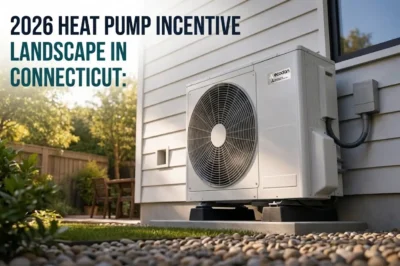
Connecticut continues to lead the nation in clean energy initiatives, making 2026 one of the most cost-effective years to transition to cold-climate heat pump technology. Homeowners upgrading their central heating or installing ductless systems can stack multiple financial layers to minimize net installation expenses.
                     ┌─────────────────────────────────────────┐
                     │     Total Installation Investment       │
                     └────────────────────┬────────────────────┘
                                          │
                  ┌───────────────────────┴───────────────────────┐
                  ▼                                               ▼
     ┌──────────────────────────┐                    ┌──────────────────────────┐
     │ Energize CT State Rebates│                    │  Federal 25C Tax Credits │
     │ Up to $1,500/ton Instant │                    │ Up to $2,000 Annual Cap  │
     └────────────┬─────────────┘                    └────────────┬─────────────┘
                  │                                               │
                  └───────────────────────┬───────────────────────┘
                                          ▼
                     ┌─────────────────────────────────────────┐
                     │     Net Homeowner Upfront Expense       │
                     └─────────────────────────────────────────┘
 The financial support for upgrading your heating, ventilation, and air conditioning (HVAC) infrastructure comes from two primary sources:
-
State Utility Rebates (Energize Connecticut): Administered directly through Eversource and United Illuminating (UI), these instant rebates are applied at the point of sale or via structured post-installation processing through participating qualified contractors.
-
Federal Tax Incentives (Energy Efficient Home Improvement Credit – Section 25C): Enacted as part of the Inflation Reduction Act (IRA), this federal tax credit allows eligible taxpayers to claim up to 30% of the total project cost—capped at $2,000 annually for heat pump installations.
By properly combining these two options, Connecticut residents can frequently offset 30% to 50% or more of the initial system purchase and installation costs.
Energize CT Heat Pump Rebates (Eversource & UI)
Energize Connecticut offers some of the most aggressive utility rebates in the Northeast to encourage electrification and reduce grid demand. The rebate structures reward homeowners who install cold-climate heat pumps that meet rigorous performance standards set by the Consortium for Energy Efficiency (CEE) and ENERGY STAR®.
| System Type | Primary Heating Fuel Displaced | Maximum Rebate Potential |
| Air-Source Heat Pump (Whole-Home) | Electric Resistance, Oil, or Propane | Up to $1,500 per ton |
| Air-Source Heat Pump (Partial-Home) | Electric Resistance, Oil, or Propane | Up to $1,000 per ton |
| Ductless Mini-Split (Zoned) | Supplemental / Targeted Zone Heating | Up to $1,000–$1,250 per head/ton |
| Geothermal (Ground-Source) | Any Fossil Fuel / Electric | Up to $2,500+ per ton |
Key Eligibility Requirements
-
Installer Verification: Installations must be completed by an approved, licensed HVAC contractor who submits the technical documentation on your behalf.
-
AHRI Matched Systems: Equipment must possess an active Air-Conditioning, Heating, and Refrigeration Institute (AHRI) Certificate of Product Ratings confirming required SEER2 (Seasonal Energy Efficiency Ratio), EER2, and HSPF2 (Heating Seasonal Performance Factor) minimums.
-
Integrated Controls: Whole-home heat pump installations displacing existing fossil fuel backup systems often require integrated smart controls or dual-fuel thermostats to sequence heat pump and furnace operation properly.
If your property lacks existing ductwork, exploring a ductless mini-split installation allows you to take advantage of these per-ton rebate programs without the expense of retrofitting duct infrastructure.
Federal 25C Tax Credit Guidelines for 2026
Under Section 25C of the Internal Revenue Code, homeowners upgrading to qualified heat pumps can claim a non-refundable tax credit on their federal tax filings.
                      Tax Credit Cap Breakdown (Section 25C)

   ┌────────────────────────────────────────────────────────────────────────┐
   │  Total Annual Aggregate Credit Limit: $3,200                           │
   └───────────────────────────────────┬────────────────────────────────────┘
                                       │
            ┌──────────────────────────┴──────────────────────────┐
            ▼                                                     ▼
┌───────────────────────────────┐                     ┌───────────────────────────────┐
│ Heat Pumps & Heat Pump Water  │                     │ Electrical Panel Upgrades,    │
│ Heaters: Max $2,000 / Year    │                     │ Insulation & Doors: Max $1,200│
└───────────────────────────────┘                     └───────────────────────────────┘
Critical Rules for Claiming the 25C Credit
-
30% of Project Cost: The credit equals 30% of the total installation costs, including labor and materials, up to the maximum $2,000 limit.
-
Highest CEE Tier Compliance: Equipment must meet or exceed the highest performance tier established by the CEE that was in effect at the start of the calendar year. For air-source heat pumps, this generally translates to ENERGY STAR Cold Climate certification.
-
Primary Residence Requirement: The tax credit applies to heat pumps installed in a home used as a principal residence by the taxpayer in the United States.
Step-by-Step Blueprint to Maximize Your Savings
To ensure no money is left on the table during your heat pump upgrade, follow this structured process:
Financial Case Study: Whole-Home Heat Pump Upgrade
To illustrate how state utility rebates and federal tax credits work in tandem, consider a typical 2,200-square-foot home in Fairfield County upgrading from an aging oil furnace to a multi-zone cold-climate heat pump system.
| Expense / Incentive Layer | Amount | Cumulative Savings |
| Gross Installation Cost (Equipment + Labor) | $18,500 | $0 |
| Energize CT Instant Rebate (4-Ton Whole-Home @ $1,500/ton) | -$6,000 | $6,000 |
| Adjusted Invoice Paid to Contractor | $12,500 | — |
| Federal 25C Tax Credit (30% of $12,500, capped at $2,000) | -$2,000 | $8,000 |
| Net Total Investment | $10,500 | Total Savings: $8,000 (43%) |
By layering these incentives, the homeowner reduces their total out-of-pocket cost from $18,500 to $10,500—an immediate 43% reduction in upfront capital requirements.
Central Heat Pumps vs. Ductless Mini-Splits: Selecting the Right System
Choosing between a central ducted heat pump and a ductless mini-split system depends on your home’s existing architecture and layout. Both options qualify for Energize CT heat pump rebates in 2026 when installed to program standards.
                     ┌─────────────────────────────────────────┐
                     │    Evaluate Home HVAC Infrastructure    │
                     └────────────────────┬────────────────────┘
                                          │
                  ┌───────────────────────┴───────────────────────┐
                  ▼                                               ▼
     ┌──────────────────────────┐                    ┌──────────────────────────┐
     │  Existing Ductwork in    │                    │ No Existing Ductwork /   │
     │     Good Condition?      │                    │  Historic Home Layout?   │
     └────────────┬─────────────┘                    └────────────┬─────────────┘
                  │                                               │
                  ▼                                               ▼
     ┌──────────────────────────┐                    ┌──────────────────────────┐
     │  Central Ducted Heat     │                    │  Multi-Zone Ductless     │
     │      Pump System         │                    │    Mini-Split System     │
     └──────────────────────────┘                    └──────────────────────────┘
-
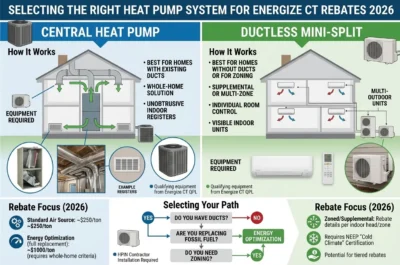 Central Ducted Heat Pumps: Ideal for homes with functional, properly sized ductwork. Replacing an outdated central AC or furnace with a high-efficiency central heat pump provides uniform cooling and heating through existing vents. If you need a comprehensive central system overhaul, reviewing options for professional AC installation ensures seamless integration.
 -
Ductless Mini-Split Systems: Perfect for older or historic homes in communities like New Canaan or Greenwich, where adding bulky ductwork is impractical or cost-prohibitive. Mini-splits offer independent temperature control for each room or zone, maximizing overall energy efficiency. Homeowners considering tailored zoned comfort can learn more about AC installation in New Canaan to see how custom thermal solutions are executed.
Avoiding Common Pitfalls That Void Incentive Eligibility
Failing to adhere strictly to program rules can lead to rejected utility rebate claims or disallowance of tax credits during an audit. Avoid these frequent mistakes:
-
Working with Non-Participating Contractors: Energize CT rebates require documentation submitted through verified channels. Hiring an uncertified installer can jeopardize instant rebate processing.
-
Purchasing Non-Qualified Equipment: Not every heat pump sold today meets the high SEER2/HSPF2 thresholds mandated by CEE for 2026 federal credits or Energize CT tier metrics. Always verify AHRI certificate numbers before signing a contract.
-
Skipping Pre-Approval or Home Energy Audits: Certain whole-home rebate levels require an Home Energy Solutions (HES) audit or prior authorization to confirm proper insulation levels before installation.
-
Incorrect Tax Filing Forms: Claiming heat pumps under general home improvement lines rather than filing IRS Form 5695 can lead to processing delays or rejected credits.
Additional State Financing Options: CT Heat Loan Program
In addition to direct rebates and tax credits, Connecticut homeowners can access attractive low-interest financing through the CT Heat Loan Program.
-
Low Interest Rates: Finance up to $25,000 for qualifying high-efficiency heating systems at low interest rates.
-
On-Bill Repayment: Loan payments can be conveniently billed directly on your monthly Eversource or United Illuminating electric utility bill.
-
Flexible Terms: Terms extend up to 10 years, allowing the monthly energy savings generated by your new heat pump to offset the cost of the loan payment.
Partner with Fairfield County’s HVAC Electrification Experts
Navigating utility programs, equipment selection, and technical installation requirements requires specialized regional knowledge. Whether you need whole-home heating replacement or targeted room comfort, working with experienced technicians guarantees that your project meets all criteria for Energize CT heat pump rebates in 2026.
For comprehensive home evaluation, equipment sizing, and full rebate management across Fairfield County, explore expert AC services in Fairfield County or consult directly with local installation teams serving areas like Darien HVAC services. Taking advantage of these available incentives allows you to invest in quiet, year-round comfort while keeping your installation costs manageable.