


Recent Boiler Installation in a Historic New Canaan Home
When it comes to maintaining the architectural integrity of a historic property, homeowners face a unique set of challenges, particularly regarding mechanical upgrades. Preserving the timeless charm of an antique structure while introducing moder comfort requires a delicate balance of craftsmanship, engineering, and local expertise. Recently, our team at Climate Care completed a comprehensive boiler installation New Canaan CT project that perfectly illustrates how cutting-edge heating technology can seamlessly integrate into a home with deep historical roots. This case study details the entire process, from the initial diagnostic evaluation to the final system optimization, highlighting our commitment to keeping Fairfield County homes warm, safe, and efficient. 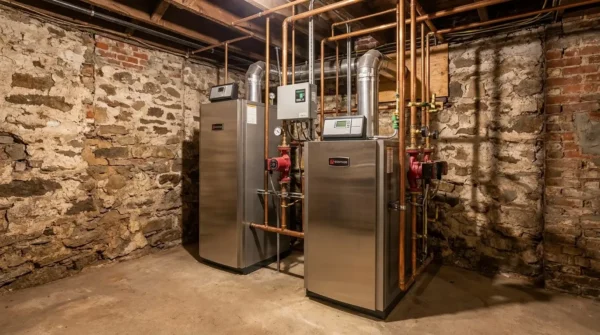
New Canaan is celebrated throughout Connecticut for its stunning collection of historic residences, spanning from classic colonial structures to mid-century modern masterpieces. However, older homes frequently rely on outdated heating systems that consume excessive fuel, break down unexpectedly, and struggle to distribute heat evenly. The property featured in this case study possessed a heating system that had reached the absolute end of its operational lifespan. By replacing the failing equipment with our premium boiler installation services, we restored dependable warmth to the household while substantially lowering the property owners’ monthly utility expenses.
The Challenge: Heating an Architectural Treasure
Preserving a historic home requires a specialized approach, as standard installation techniques can accidentally compromise delicate plaster walls, antique flooring, or intricate hand-carved millwork. In this specific New Canaan residence, the existing heating infrastructure consisted of an aging, oversized cast-iron boiler that operated at an incredibly low efficiency rating. Consequently, the homeowners were paying astronomical energy bills every winter, yet they still experienced persistent cold drafts and uneven temperatures across different floors.
Furthermore, the basement access doors were exceptionally narrow, which presented a significant logistical challenge for removing the massive old equipment and bringing in new components. Historic basements also frequently present ventilation hurdles, as old stone foundations and chimney flues may not meet the strict safety standards required by modern, high-efficiency condensing appliances. Therefore, our engineering team had to design a custom venting layout that would ensure absolute safety without altering the exterior aesthetic of the historic facade.
Beyond the physical limitations of the structure, the project demanded a configuration that would interact perfectly with the home’s existing cast-iron radiators. These vintage radiators are phenomenal for holding and radiating heat over long periods, but they operate on different water volume and temperature dynamics than modern baseboard or radiant systems. Matching a new, high-tech heat source to antique distribution elements requires precise calculations to prevent thermal shock and guarantee smooth system operation.
Technical Assessment and System Engineering
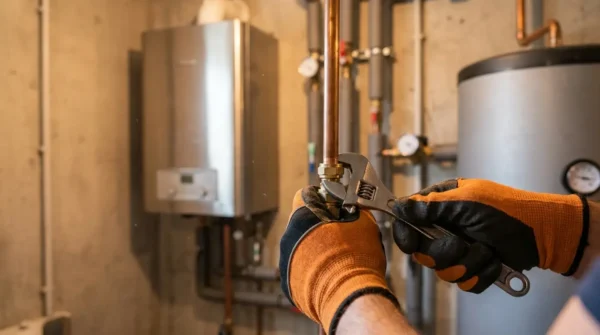 Before a single tool was lifted, our senior technicians performed a comprehensive heat load calculation for the entire residence. This step is incredibly vital because simply replacing an old unit with one of identical size often results in an oversized system that cycles on and off too frequently. Frequent cycling accelerates component wear and severely degrades overall energy efficiency. By calculating the exact heat loss of the historic building envelope, we determined the precise British Thermal Unit (BTU) capacity required to keep the home perfectly comfortable during the coldest Connecticut winters.
After analyzing the data, we selected a premium, ultra-high-efficiency condensing gas boiler for the installation. This advanced piece of equipment features a modulating burner that automatically scales its heat output up or down based on real-time outdoor temperatures. Instead of blasting on at full power regardless of whether it is thirty degrees or fifty degrees outside, the system adjusts fluidly, burning only the exact amount of fuel necessary.
In addition to the boiler itself, the system design incorporated an indirect-fired water heater. This setup utilizes the highly efficient boiler to heat the domestic hot water supply, providing the family with an endless volume of hot water for showers and appliances while eliminating the need for a separate, gas-guzzling standalone water heater. The entire mechanical layout was mapped out digitally prior to the physical installation, ensuring every pipe, valve, and venting line would fit precisely within the cramped basement footprint.
Step-by-Step Implementation of the Installation
1. Disconnection and Safe Extraction of the Outdated Cast-Iron System
2. Structural Preparation of the Basement Mechanical Area
3. Precision Plumbing and Near-Boiler Piping Reconstruction
4. Implementation of Modern Condensing Venting and Safety Controls
5. Comprehensive System Flushing, Fluid Testing, and Balancing
Phase 1: Deconstruction and Extraction
The initial phase of the project centered around the safe deconstruction and removal of the old cast-iron monstrosity. Because these antique units are incredibly heavy, our team had to meticulously break down the appliance into manageable sections to prevent any damage to the historic basement stairs and flooring. Every piece was carefully carted away and sent to a local recycling facility, clearing the way for a complete mechanical transformation.
During this stage, we also isolated the existing main supply and return headers. Decades of operation can cause a buildup of magnetite, rust, and sludge inside vintage pipes and radiators. Therefore, clearing the existing lines before connecting the new equipment was paramount to protecting the internal heat exchanger of the incoming boiler.
Phase 2: Structural Foundation and Piping
Once the workspace was completely cleared, we poured a new, level concrete equipment pad to elevate the new boiler off the basement floor. This elevation protects the sensitive electronic components from potential dampness or minor floor moisture common in older stone foundations. Following the structural preparation, our technicians began fabricating the near-boiler piping using high-grade copper.
Proper near-boiler piping is the absolute backbone of a successful hydronic installation. We utilized a primary/secondary piping arrangement, which separates the flow of water through the boiler from the flow of water through the home’s radiators. This configuration guarantees that the boiler always maintains the ideal flow rate for optimal heat transfer, regardless of how many individual heating zones are calling for heat at any given time.
Phase 3: Venting and Gas Line Integration
With the physical structure and main plumbing lines securely in place, our team shifted focus to the crucial task of venting. Traditional boilers vent straight up a brick chimney, relying on high exhaust temperatures to naturally pull gases upward. Modern condensing boilers, however, absorb so much heat from the combustion process that their exhaust is relatively cool, resulting in condensation that would quickly destroy old chimney mortar.
To address this, we routed specialized, durable polypropylene venting lines horizontally through an inconspicuous basement rim joist, entirely bypassing the historic chimney. This direct-vent configuration pulls fresh outdoor air directly into the sealed combustion chamber and expels the cool exhaust gases safely outside. Simultaneously, we upgraded the local gas supply line to ensure the new modulating burner receives a perfectly consistent fuel pressure under peak operational loads.
Integrating Vintage Radiators with Modern Controls
One of the most delicate aspects of this New Canaan project was harmonizing the new boiler with the home’s historic cast-iron radiators. These stunning architectural elements provide a wonderfully comfortable, radiant warmth that modern forced-air systems simply cannot replicate. However, because they hold a massive volume of water, managing how quickly that water heats up and cools down is absolutely critical.
To bridge the gap between old and new, we integrated an outdoor reset sensor into the control framework. This small sensor mounts on the exterior of the home and continuously communicates the outdoor air temperature to the boiler’s internal computer. When the outdoor temperature drops sharply, the boiler automatically raises the target loop temperature to combat the increased heat loss. Conversely, on milder autumn or spring days, the boiler lowers the water temperature, preventing the large cast-iron radiators from overheating the living spaces.
We also installed high-efficiency variable-speed circulator pumps to manage the water distribution across different zones of the house. Unlike older pumps that run at a single, high-speed setting, these modern smart pumps automatically adjust their electrical consumption based on zone demand. If only one small bedroom requires heat, the pump scales down its speed, saving substantial electricity and eliminating the annoying rushing water noises often heard in older plumbing systems.
Results: Unparalleled Comfort and Drastic Energy Savings
The transformation of this historic New Canaan home was immediately apparent to the homeowners upon system startup. Previously, the old heating system would kick on with a loud, disruptive rumble, followed by a long delay before heat finally trickled up to the second floor. Now, the new condensing system operates so quietly that the family cannot even tell it is running, while heat delivers swiftly and evenly to every single corner of the property.
From an economic perspective, the project delivered an incredible return on investment. By transitioning from a degraded system to an ultra-high-efficiency condensing platform, the estimated fuel consumption for space heating has dropped by over thirty percent. Over the course of a standard Connecticut winter, these monthly savings accumulate rapidly, allowing the new system to effectively pay for itself over time.
Additionally, the installation has significantly boosted the overall resale value and structural safety of the historic home. The elimination of an old, open-flame atmospheric burner removes any risk of backdrafting dangerous carbon monoxide into the living spaces. The property owners now enjoy total peace of mind, knowing that their gorgeous historic residence is backed by a reliable, state-of-the-art heating infrastructure designed to last for decades.
The Climate Care Advantage for Local Historic Projects
 Completing a technical upgrade of this magnitude highlights why so many Fairfield County residents depend on Climate Care for their specialized heating and cooling needs. We recognize that no two homes are identical, and we treat every single property with the profound respect and meticulous attention to detail it truly deserves. Our technicians possess extensive training in both historical structural preservation and the latest advancements in hydronic engineering, giving us a unique edge in executing complex local projects.
We take immense pride in handling every phase of the process internally, completely eliminating the need for unpredictable third-party subcontractors. From pulling local municipal permits in our dedicated New Canaan service area to performing rigorous post-installation pressure tests, our team ensures every detail aligns with local building codes and manufacturer specifications. We don’t just replace equipment; we thoroughly engineer long-term comfort solutions that safeguard your home and enhance your daily quality of life.
If your older or historic home is currently struggling with uneven heating, frequent system breakdowns, or skyrocketing monthly operational costs, it is likely time to explore a modern upgrade. Whether you require a routine heating system repair or a complete system overhaul, we invite you to contact our team today to schedule an expert home comfort consultation. Our dedicated specialists will thoroughly evaluate your existing setup, run precise efficiency diagnostics, and design a tailored mechanical system that honors your property’s unique architecture while delivering the flawless comfort you deserve. Let us show you how easy it is to bring your classic home into the modern era of energy efficiency.