

Furnace vs. Heat Pump for Fairfield County Homes: Which Saves More in CT?

Choosing the right heating system is one of the most important investments for homeowners in Fairfield County, Connecticut. With freezing winter temperatures, changing utility rates, and advances in heating technology, many residents are reconsidering whether a traditional furnace or modern heat pump offers better long-term value.
When comparing heat pump vs furnace CT, the biggest question is often which system will save more money without sacrificing comfort. While gas furnaces have traditionally been popular throughout Connecticut, today’s cold climate heat pumps provide an efficient alternative capable of heating many homes even during freezing weather.
For homeowners in Stamford, Norwalk, Greenwich, Fairfield, Westport, Darien, and surrounding communities, the right choice depends on home insulation, existing heating equipment, utility rates, and installation requirements.
At Climate Care, we help Fairfield County homeowners explore dependable heating solutions suited to Connecticut’s changing seasons. This guide compares furnace and heat pump efficiency, operating expenses, installation considerations, and hybrid heating options to help you make an informed decision.
1. Understanding the Difference Between Furnaces and Heat Pumps
Before comparing energy savings and installation costs, it’s important to understand how these systems operate. Both are designed to maintain comfortable indoor temperatures, but they use different methods to deliver heat.
How Does a Furnace Work?
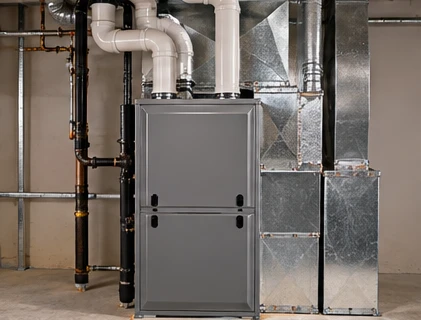
A furnace generates heat by burning fuel, such as natural gas or propane, or by using electric resistance elements. In a forced-air system, heated air circulates throughout the home through ductwork.
Natural gas furnaces are common in Connecticut neighborhoods with established gas infrastructure. Modern high-efficiency gas furnaces can achieve Annual Fuel Utilization Efficiency (AFUE) ratings of approximately 90% to 98% or higher.
A 95% AFUE furnace converts about 95% of the fuel’s energy into useful indoor heat over a heating season. This makes modern furnaces considerably more efficient than many older systems.
Furnaces are particularly attractive for homeowners who already have gas connections and suitable ductwork. They provide dependable heat during extreme cold and can be relatively straightforward to replace when existing infrastructure is compatible.
For homeowners considering an upgrade, Climate Care’s heating installation services in Fairfield County can help identify suitable equipment for their properties.
How Does a Heat Pump Work?
Unlike a furnace, a heat pump transfers heat rather than producing it through combustion.
During winter, an air-source heat pump extracts thermal energy from outdoor air and moves it indoors. During summer, the process reverses, allowing the same equipment to provide air conditioning.
Because heat pumps transfer existing heat, they can deliver several units of heating energy for every unit of electricity consumed.
According to the U.S. Department of Energy, heat pumps offer an energy-efficient alternative to conventional heating and cooling systems under suitable conditions.
For Fairfield County homeowners considering electric heating, professional heat pump installation can provide both winter comfort and summer cooling through one system.
2. Heat Pump vs Furnace CT: Which Is More Energy Efficient?
Energy efficiency is one of the most significant differences between furnaces and heat pumps. However, homeowners should understand that a more energy-efficient system does not always produce lower utility bills.
Furnace Efficiency Ratings
Furnace efficiency is measured through AFUE, which represents the percentage of fuel energy converted into usable indoor heat.
For example, a furnace with a 95% AFUE rating loses approximately 5% of the fuel’s energy during normal seasonal operation.
While modern furnaces can be highly efficient, they cannot deliver several units of heat for each unit of fuel energy consumed in the same way a heat pump can.
Furnace vs. Heat Pump Efficiency Comparison
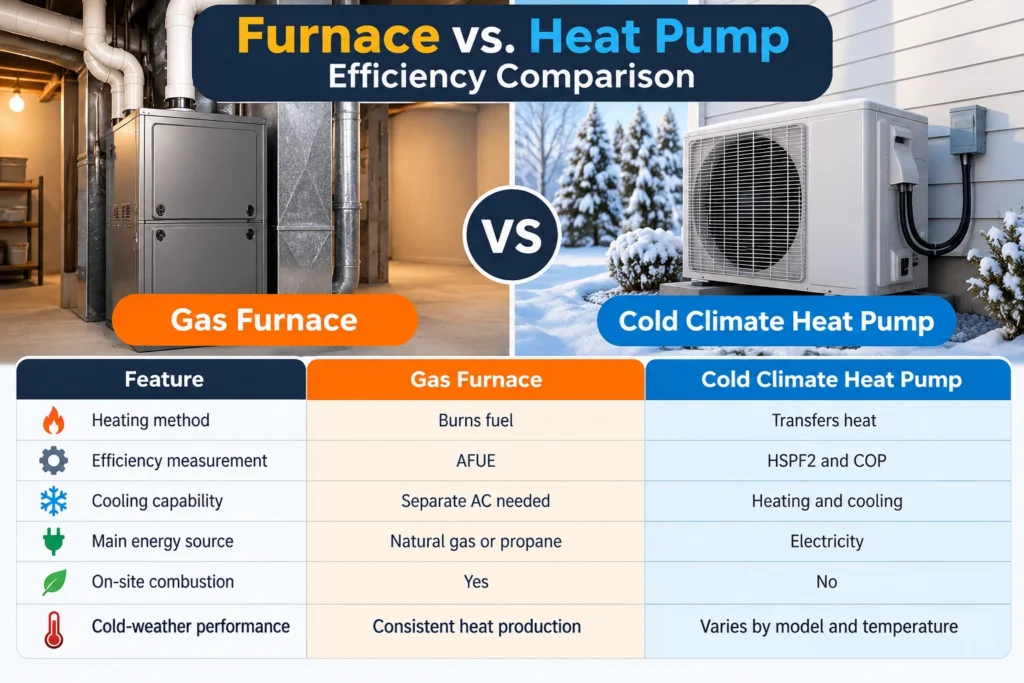
Although heat pumps often deliver more heat per unit of energy consumed, Connecticut’s electricity and natural gas prices play a major role in determining which system is more affordable to operate.
Heat Pump Efficiency Ratings
Heat pumps use performance measurements such as Heating Seasonal Performance Factor 2 (HSPF2) and Coefficient of Performance (COP).
A heat pump operating at a COP of 3 delivers approximately three units of heat for every unit of electricity consumed. This can make heat pumps significantly more energy-efficient than conventional electric resistance heating.
However, heat pump efficiency changes with outdoor temperatures, system design, and operating conditions. Performance during a mild November afternoon may differ from performance during a freezing January night.
The ENERGY STAR program provides information about certified heating and cooling equipment that can help homeowners evaluate efficiency.
3. Fairfield County Heating Cost: Which System Saves More Money?
For most homeowners, operating expenses are the deciding factor when comparing a furnace with a heat pump.
Fairfield County heating costs depend on the size of the home, insulation, thermostat settings, equipment efficiency, and current utility rates.
Natural Gas Furnace Operating Costs
Natural gas furnaces can provide competitive heating expenses, particularly in homes with existing gas service.
A high-efficiency furnace may be a practical investment when natural gas prices are favorable compared with electricity rates. However, homeowners should also consider maintenance, installation expenses, and potential changes in fuel prices.
Heat Pump Operating Costs
Heat pumps use electricity, making their operating expenses dependent on electricity prices and equipment performance.
In Connecticut, where residential electricity rates can be relatively high, heat pumps do not automatically cost less to operate than natural gas furnaces.
However, homeowners replacing oil, propane, or electric resistance heating may experience a different financial outcome.
The U.S. Energy Information Administration publishes energy pricing data that can help homeowners evaluate local heating expenses.
Example Heating Cost Comparison
Consider a hypothetical comparison using electricity priced at $0.30 per kilowatt-hour and natural gas at $2.00 per therm.
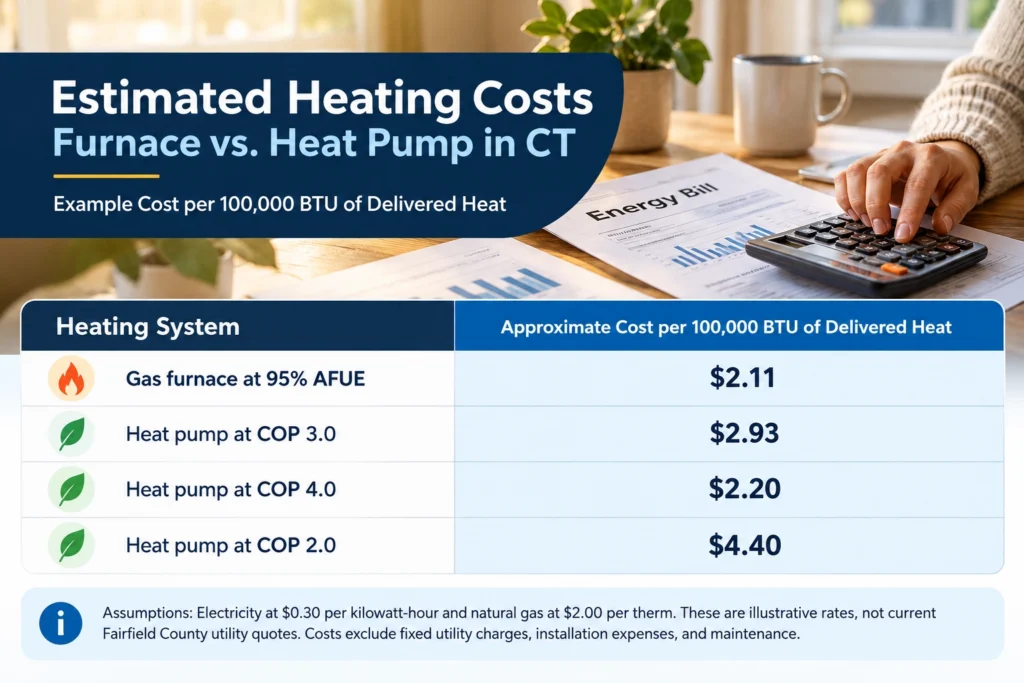
Under these assumptions, the high-efficiency gas furnace is less expensive to operate. However, the comparison changes when electricity prices decrease, natural gas prices increase, or heat pump performance improves.
Homeowners should evaluate estimated annual heating expenses rather than assuming one technology will always cost less.

4. Can Cold Climate Heat Pumps Handle Connecticut Winters?
One of the biggest concerns among Connecticut homeowners is whether heat pumps can maintain comfortable indoor temperatures during freezing winter conditions.
Older heat pump systems sometimes struggled when outdoor temperatures dropped significantly. Modern cold climate heat pumps have improved considerably, making them suitable for many homes throughout the Northeast.
How Modern Cold Climate Heat Pumps Perform
Modern heat pumps use advanced compressor technology, variable-speed operation, and improved defrost controls to maintain heating performance at low outdoor temperatures.
Certain models can operate at temperatures well below 0°F, although their efficiency and available heating capacity may decline as outdoor temperatures fall.
A heat pump that operates in extreme cold does not necessarily provide enough heating capacity for every property without supplemental heat.
This is why proper equipment sizing matters.
Why Professional Installation Is Essential
Every Fairfield County home has different heating requirements. Older properties in Greenwich or New Canaan may have insulation challenges, while newer homes may retain indoor heat more effectively.
A professional assessment should evaluate square footage, insulation, windows, air leakage, and room-by-room heating requirements.
Using recognized load calculations, such as ACCA Manual J, helps determine appropriate heating capacity.
Climate Care’s professional heat pump installation services can help homeowners select equipment appropriate for Connecticut’s winter conditions.
5. Hybrid Heating Connecticut: Combining a Furnace and Heat Pump
For homeowners who want the benefits of both technologies, hybrid heating offers a flexible alternative.
Also known as a dual-fuel system, hybrid heating combines an electric heat pump with a compatible gas or propane furnace. This arrangement allows the home to use different heating sources depending on outdoor conditions and system settings.
How Hybrid Heating Works
During relatively mild winter weather, the heat pump provides indoor heating. When temperatures drop significantly, the system can switch to the furnace to maintain comfortable indoor temperatures.
The changeover point can be configured based on equipment capacity, utility prices, and homeowner preferences.
This approach can be particularly useful in Connecticut, where winter temperatures fluctuate considerably throughout the heating season.
Is Hybrid Heating Worth It in Fairfield County?
Hybrid heating may be especially attractive for homeowners who already have a functioning gas furnace but need to replace an aging central air conditioner.
Instead of installing another cooling-only system, they may be able to install a compatible heat pump that provides summer cooling and efficient heating during milder weather.
The existing furnace can continue providing heat during colder conditions.
However, hybrid heating does not guarantee lower utility bills. Actual savings depend on electricity prices, fuel costs, equipment efficiency, and installation expenses.
Homeowners considering hybrid heating in Connecticut should consult an HVAC professional to determine whether their existing furnace can support a dual-fuel configuration.
6. Furnace vs. Heat Pump Installation Costs in Fairfield County
Upfront installation expenses are another important consideration when choosing between a furnace and a heat pump.
A furnace replacement may involve fewer modifications when a home already has compatible ductwork, gas connections, and ventilation infrastructure.
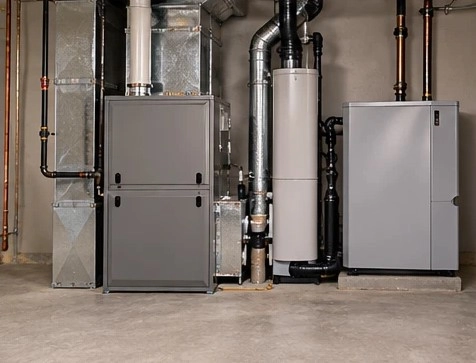
Heat pump installation costs depend on equipment capacity, efficiency ratings, electrical requirements, and whether the property needs ductwork modifications or additional indoor units.
Factors That Affect Installation Expenses
Older Connecticut homes may require electrical improvements before installing certain heat pump systems. Other properties may need ductwork modifications to accommodate different airflow requirements.
For furnace installations, costs may increase when venting, gas piping, or existing ductwork needs to be updated.
According to Climate Care’s heating installation service information, installation expenses can vary substantially based on the equipment and project requirements.
Considering Long-Term Ownership Costs
The least expensive installation is not always the most economical long-term investment.
Homeowners should consider expected energy expenses, routine maintenance, potential repairs, and equipment lifespan.
For example, replacing an aging furnace and central air conditioner with a single heat pump system may offer different financial benefits than replacing a relatively new gas furnace solely to reduce heating costs.
A professional evaluation can help identify which option provides the best balance of installation expenses, energy efficiency, and long-term comfort.
7. Connecticut Heat Pump Rebates and Energy Incentives
Financial incentives can make high-efficiency heating upgrades more affordable for Connecticut homeowners.
Through Energize Connecticut, eligible homeowners may qualify for incentives when installing approved energy-efficient heating equipment.
Available programs can depend on utility service territory, existing heating fuel, equipment specifications, and installation requirements.
How Heat Pump Rebates Affect Installation Costs
For qualifying installations occurring on or after September 1, 2026, certain Connecticut residential air-source heat pump incentives are listed at $1,500 per ton, with a maximum combined incentive of $10,000.
Eligibility restrictions apply, and homeowners should verify current program requirements before purchasing equipment.
These incentives can reduce upfront expenses and potentially make heat pump installation more financially competitive with traditional furnace replacement.
Federal tax incentives also require careful review. The federal Energy Efficient Home Improvement Credit generally does not apply to qualifying equipment placed in service after December 31, 2025.https://www.irs.gov/credits-deductions/energy-efficient-home-improvement-credit?utm_source=chatgpt.com
Homeowners can review the IRS Energy Efficient Home Improvement Credit guidance for additional information.
Because incentive programs can change, confirming eligibility before installation is essential.
8. Which Heating System Is Best for Your Fairfield County Home?
There is no universal winner when comparing furnaces and heat pumps. The best system depends on your property’s heating requirements, existing infrastructure, and financial priorities.
When a Furnace Makes More Sense
A high-efficiency gas furnace may be the practical choice for homeowners who already have natural gas service and suitable ductwork.
Furnaces deliver consistent heating during extremely cold weather and can be economical when natural gas rates are favorable.
For homeowners with aging heating equipment, professional heating installation in Fairfield County can help determine whether replacing the existing furnace is the most appropriate solution.
When a Heat Pump Makes More Sense
Cold climate heat pumps may be especially attractive for homes without natural gas service or properties currently using oil, propane, or electric resistance heating.
They also provide summer cooling, potentially eliminating the need for separate heating and air-conditioning equipment.
A properly sized heat pump can offer efficient year-round comfort, particularly in homes with adequate insulation and suitable electrical infrastructure.
When Hybrid Heating Is the Better Choice
Hybrid heating can be a strong option for homeowners who want to retain a compatible furnace while adding efficient electric heating and cooling.
This configuration provides flexibility during Connecticut’s changing winter temperatures and allows homeowners to use different heating sources when appropriate.
Regardless of the equipment selected, improving insulation, sealing air leaks, and maintaining ductwork can help reduce overall heating demand.
9. Why Choose Climate Care for Heating Installation in Fairfield County?
Choosing the right heating system involves more than comparing equipment specifications.
Professional evaluation and installation are essential for dependable performance, energy efficiency, and long-term comfort.
Climate Care provides heating services for homeowners throughout Fairfield County, including Norwalk and surrounding Connecticut communities.
Whether you’re replacing an aging furnace, exploring cold climate heat pumps, or considering a hybrid heating configuration, choosing equipment that matches your property’s requirements is essential.
Heating Solutions Designed for Connecticut Homes
Homes throughout Fairfield County vary considerably in age, construction, insulation, and heating infrastructure.
A property in Stamford may have different heating requirements from a home in Greenwich or Westport.
An HVAC assessment helps determine appropriate equipment capacity, identify potential installation challenges, and compare available heating technologies.
Climate Care’s heating services in Fairfield County can help homeowners explore installation, repair, and maintenance options.
By considering both immediate installation expenses and long-term operating costs, homeowners can make more informed decisions about their heating investments.
Frequently Asked Questions About Heat Pumps vs. Furnaces in Connecticut
Are heat pumps cheaper than furnaces in Connecticut?
Heat pumps can be less expensive to operate than oil, propane, or electric resistance heating, depending on energy prices and equipment efficiency. Natural gas furnaces may remain more economical under certain Connecticut utility-rate conditions. A home-specific operating cost comparison provides the most accurate estimate.
Do heat pumps work during Connecticut snowstorms?
Yes. Modern cold climate heat pumps can operate during freezing temperatures and snowy weather. However, outdoor units require adequate airflow and clearance from snow and ice. Heating capacity depends on the specific equipment and installation.
How long do furnaces and heat pumps last?
Many residential furnaces last approximately 15 to 20 years, while air-source heat pumps commonly have expected service lives of around 10 to 15 years or longer. Actual longevity depends on maintenance, installation quality, equipment usage, and operating conditions.
Is hybrid heating worth it in Fairfield County?
Hybrid heating can be worthwhile for homeowners with existing gas or propane furnaces who want efficient electric heating during milder weather. Its financial benefits depend on utility rates, equipment compatibility, and installation expenses.
Should I replace my furnace with a heat pump?
A heat pump may be a good replacement if your home has suitable insulation, electrical capacity, and heating requirements. However, retaining an existing furnace as part of a hybrid system may be more practical in some situations. A professional evaluation can help determine the best option.
Conclusion: Furnace or Heat Pump — Which Saves More in Connecticut?
When comparing heat pump vs furnace CT, the most important consideration is finding a heating system that balances comfort, energy efficiency, and long-term expenses.
Cold climate heat pumps offer efficient heating and cooling, with potential savings for homeowners replacing certain conventional heating systems. Meanwhile, high-efficiency gas furnaces remain competitive where natural gas rates are favorable.
Hybrid heating provides another option for homeowners seeking flexibility between electric and fuel-based heating.
Ultimately, the best choice depends on your home’s insulation, heating requirements, existing equipment, utility rates, and available incentives.
Ready to Upgrade Your Home Heating System?
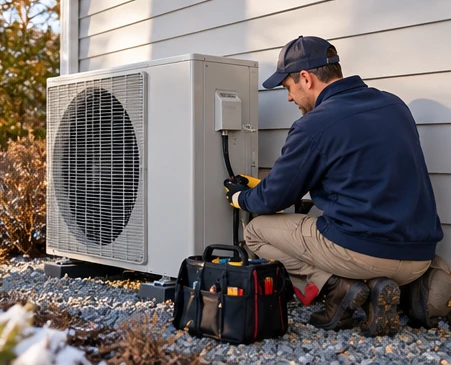
Climate Care helps Fairfield County homeowners explore reliable, energy-efficient heating solutions suited to Connecticut’s winters.
Whether you’re considering furnace replacement, heat pump installation, or hybrid heating, our team can help you compare your options and select a system appropriate for your home.
Call Climate Care at (203) 354-2020 or visit the Climate Care website to request a professional heating consultation.