

Quick Ways to Lower Home Humidity Levels This Summer

Summertime in coastal Connecticut brings beautiful beach days at Compo Beach or Calf Pasture, but it also welcomes a notorious seasonal guest: oppressive, sticky indoor air. When the outdoor air moisture spikes along Long Island Sound, your living spaces can quickly start feeling more like a sauna than a sanctuary. Finding quick ways to lower home humidity levels this summer is essential for keeping your indoor air fresh, cool, and comfortable during the hottest months. Managing this heavy air isn’t just about escaping that sticky, uncomfortable feeling on your skin; it is also about protecting your house from mold spores, structural wood rot, and wood warping.
While heavy atmospheric moisture requires a strategic approach, homeowners can take immediate control of their indoor climate. Fortunately, you can implement several practical, daily strategies to cut down on indoor moisture without immediately overhauling your entire HVAC system. This comprehensive guide details actionable, DIY solutions to bring relief to your home right now, while explaining how professional climate engineering provides the ultimate, long-term solution.
The Hidden Impact of Summer Humidity in Connecticut Homes
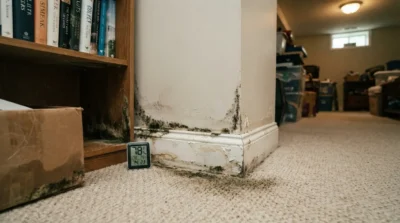 In places like Norwalk, Stamford, and Greenwich, summer weather patterns consistently drive indoor relative humidity well above the ideal 30% to 50% comfort zone. Consequently, your home’s interior can experience a cascade of subtle but damaging structural and physical changes.
Why Heavy Air Feels So Warm
First and foremost, high humidity completely disrupts your body’s natural cooling mechanism. When the surrounding air is already saturated with water vapor, your sweat cannot evaporate efficiently. Because evaporation is what cools your skin, stagnant moisture leaves you feeling significantly warmer than the actual thermostat reading indicates. As a result, many homeowners make the common mistake of cranking down their air conditioners to forcing a lower temperature, which drives up energy bills without truly resolving the root air quality issue.
Structural and Health Concerns
Beyond personal discomfort, prolonged exposure to excess moisture damages the architectural integrity of classic Fairfield County homes. Plaster walls can crack, wallpaper adhesive weakens, and beautiful hardwood floors can warp or buckle. Furthermore, damp environments create the perfect breeding ground for dust mites and airborne mold spores. For residents managing seasonal allergies or asthma, this spike in indoor allergens can make breathing comfortably a daily struggle.
5 Practical Daily Habits to Drop Indoor Moisture Levels
 Before modifying any equipment, you can adjust several everyday household habits to instantly reduce the amount of water vapor added to your indoor environment.
1. Optimize Your Shower Routine
Showers are massive contributors to residential moisture buildup. To combat this, always run your bathroom exhaust fans during your shower and leave them operating for at least 20 minutes after you finish. Additionally, taking cooler showers helps minimize steam production. If your bathroom lacks a dedicated exhaust fan, keeping a window cracked slightly while keeping the bathroom door closed helps prevent heavy steam from migrating into your bedrooms.
2. Adjust Your Cooking Style
Boiling pasta, steaming vegetables, and baking in the oven release significant amounts of moisture into your kitchen air. To lower your indoor humidity, cover your pots with tight-fitting lids while cooking to trap steam inside. Furthermore, always utilize your kitchen range hood fan, ensuring it vents outdoors rather than simply recirculating the air. On exceptionally humid days, consider grilling outdoors or preparing raw, fresh meals that require no heat at all.
3. Move Laundry Drying Outdoors
While line-drying laundry indoors seems eco-friendly, hanging wet clothes on a drying rack inside your living room or basement pumps gallons of water directly into your air. During July and August, utilize your clothes dryer exclusively, making sure the exterior dryer vent line is completely clear of lint obstructions. Alternatively, set up an outdoor clothesline to take advantage of natural summer breezes.
4. Manage Your Houseplants Wisely
An abundance of indoor greenery can actively contribute to a humid indoor climate through a natural process called transpiration, where plants release moisture from their leaves into the air. If your home already feels heavy and damp, temporarily group your plants in a single, well-ventilated room, or avoid overwatering them. Spreading a thin layer of small stones or gravel over the topsoil can also help trap moisture in the soil rather than letting it evaporate into your rooms.
5. Keep Windows Firmly Sealed
It can be tempting to open up your windows during a cooler summer evening, but doing so often backfires in coastal Connecticut. The night air along the coast frequently carries a incredibly high relative humidity level. Opening your windows allows that heavy, moisture-laden air to seep directly into your drywall, carpets, and furniture. Keep your home sealed tight and rely on internal circulation to maintain a crisp environment.
Simple DIY Home Hacks to Combat Excess Moisture
If habit changes alone aren’t cutting it, you can utilize several affordable, hands-on mechanical adjustments and household strategies to dry out targeted areas of your living space.
Deploy Desiccants in Enclosed Spaces
For small, stagnant areas like closets, pantries, and crawlspaces, chemical desiccants work wonders. Products containing calcium chloride crystals naturally absorb moisture directly from the surrounding air and collect it securely in a disposable bucket. Placing these containers in areas prone to musty smells helps protect your clothing, linens, and leather goods from mildew damage.
Leverage Portable Dehumidifier Units
Standard portable plug-in dehumidifiers can provide excellent temporary relief for localized problem zones, such as a damp basement or an isolated home office. When utilizing these units, remember to empty the water collection buckets frequently so they don’t automatically shut off. For optimal performance, position the unit away from walls to ensure completely unobstructed airflow around the intake grilles.
Verify Exterior Grading and Downspouts
Sometimes, interior humidity issues stem directly from exterior drainage failures. Walk around your property during a summer rainstorm to ensure your gutters are clear and your downspouts direct water at least six feet away from your foundation. When heavy rain pools against your basement walls, that liquid water slowly migrates directly through porous concrete via capillary action, drastically spiking your indoor humidity.
Tweaking Your Current HVAC System for Better Dehumidification
Your existing air conditioning system plays a massive role in managing indoor moisture, because removing water vapor is a natural byproduct of the refrigeration cooling process. You can optimize its performance using a few specific techniques.
+-----------------------------------------------------------------+
|                    HVAC FAN SETTING WARNING                     |
|                                                                 |
|  ALWAYS set your thermostat fan setting to "AUTO", never "ON".  |
|  Using "ON" runs the fan continuously, blowing warm air over    |
|  the wet evaporator coil and blowing moisture back into your    |
|  home before it can drain away properly.                        |
+-----------------------------------------------------------------+
Clean and Replace Air Filters Regularly
A clogged, dust-covered air filter severely restricts the volume of air flowing across your air conditioner’s cold evaporator coil. When airflow drops below optimal levels, your system cannot pull moisture out of the air efficiently. Changing your filters every 30 to 60 days during peak cooling season keeps your system breathing freely and maximizes its natural moisture-removal capabilities.
Schedule an AC Tune-Up
If your air conditioner is low on refrigerant or has dirty outdoor condenser coils, it will struggle to run long enough to properly dry out your home. Regular professional maintenance ensures that every mechanical component operates at peak thermodynamic efficiency. Homeowners can easily schedule a comprehensive AC Maintenance & Repairs visit to keep their systems running perfectly all summer long.
Why DIY and Portable Solutions Fall Short
While small adjustments, habit changes, and portable units can help you find temporary relief in a specific room, they rarely solve whole-home humidity challenges. Portable units consume a surprising amount of electricity, generate noticeable heat while running, and require constant manual emptying. Additionally, they fail to address the core problem: the structural air infiltration occurring across your entire house.
When you try to manage an entire home’s humidity using localized DIY methods, your primary air conditioning system often ends up working overtime to compensate for the thick, heavy air. This constant strain accelerates mechanical wear and tear, frequently resulting in unexpected system breakdowns during the hottest weeks of the year. For comprehensive, effortless comfort, a more robust and permanent approach is required.
Long-Term Solutions: Professional Whole-Home Comfort Engineering
When daily habits and DIY hacks aren’t providing the consistent relief you deserve, it’s time to consider professional upgrades that address your home’s climate as a complete, unified system. Modern indoor air quality technology can transform your living space into a crisp, perfectly regulated environment.
The Power of Whole-Home Dehumidifiers
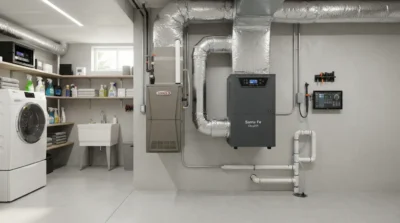 Unlike portable units that only dry out a single room, a whole-home dehumidifier is integrated directly into your existing ductwork. This advanced system pulls moisture out of the air as it circulates through your heating and cooling paths, delivering dry, refreshing air to every single corner of your property automatically. These systems operate quietly, drain themselves directly into your plumbing line, and are managed seamlessly through a centralized smart thermostat.
Upgrading to High-Efficiency Cooling
If your air conditioner is more than a decade old, it likely relies on outdated, single-speed compressor technology. These older systems turn on at full blast, cool your home down very quickly, and then shut off abruptly. This rapid cycle, known as short-cycling, prevents the system from running long enough to strip moisture from the air.
Modern high-efficiency options, such as advanced Air Conditioning Installation systems, feature variable-speed compressors. These intelligent systems run at lower, steadier speeds over longer periods, providing continuous air filtration and exceptional dehumidification while using a fraction of the energy.
+-----------------------------------------------------------------+
|                    THE HUMIDITY COMFORT ZONE                    |
|                                                                 |
|       [ 0% - 29% ]  -->  Too Dry (Skin irritation, static)      |
|       [ 30% - 50% ] -->  IDEAL ZONE (Crisp, healthy, safe)      |
|       [ 51% - 59% ] -->  Elevated (Slightly sticky environment) |
|       [ 60% +     ] -->  Danger Zone (Mold risk, wood rot)      |
+-----------------------------------------------------------------+
Flexible Zoning with Ductless Mini-Splits
For historic homes, additions, or finished basements where traditional ductwork isn’t available, standard central air systems might not be an option. In these situations, a customized Ductless Mini-Splits installation provides an incredibly effective alternative. These sleek, wall-mounted units offer dedicated localized temperature and humidity controls for specific zones, allowing you to dry out damp basements or hot upper levels independently.
Optimizing Your Air Distribution Paths
Even the most advanced cooling system will struggle if your home’s air transport paths are clogged with debris or riddled with hidden structural tears. Leaky ductwork located in a hot, unconditioned attic can suck in massive amounts of humid air and distribute it throughout your living areas. Investing in professional Duct Cleaning and structural duct inspections ensures that your conditioned air remains pure, dry, and uncompromised.
Transitioning from Temporary Fixes to Lasting Comfort
Finding quick ways to manage your indoor climate can provide immediate relief when summer heatwaves roll into Fairfield County. However, constantly emptying water trays, worrying about mold spores, and dealing with clammy sheets gets exhausting. True peace of mind comes from an expertly engineered climate control setup that works quietly behind the scenes.
If you are ready to stop managing seasonal discomfort with temporary band-aids, the experienced team at Climate Care is here to design a permanent solution tailored to your home’s unique architectural needs. From deep system maintenance to advanced whole-home dehumidification upgrades, we bring precision and care to every project. Take the first step toward a cooler, healthier home by reaching out through our Contact page today to schedule a comprehensive indoor comfort consultation.